In a discussion about national parks the other day, the question of whether today's threats to the parks eclipse any other in the history of the park system came up. The knee-jerk answer was an emphatic yes. But is that the correct answer?
After all, in 1875, just three years after Yellowstone was established, hunters descended on the park and slaughtered as many as 2,000 elk for their hides, which fetched between $2.50 and $3 apiece at market. Amazingly, not only was this slaughter allowed, but the bloated carcasses were left behind to rot on the rolling landscape surrounding Mammoth Hot Springs.
During the early 1960s, public outrage was voiced when the park's elk reduction program, which involved helicopters herding thousands of the ungulates to their deaths, hit front pages and nightly news shows. In the late 1990s, the hot news out of Yellowstone centered on bison being killed once they exited the park for Montana, where officials were worried the animals would spread brucellosis to domestic cattle. And, of course, there's the ongoing problem with non-native lake trout in Yellowstone Lake.
Throughout the park system there are always contentious issues brewing. In Yosemite National Park, there's been a long, drawn out and litigious debate over how the Yosemite Valley should be managed. At Great Smoky Mountains National Park, car congestion and air pollution are hot topics. At the Grand Canyon, bumper-to-bumper traffic is a nightmare. At Gettysburg National Military Park, the issue is tacky development on the park's borders.
But my take is that the efforts by the Interior Department's Paul Hoffman to rewrite the National Park Service's Management Policies do indeed pose an incredible threat to the park system. The policies are not often rewritten, and if Hoffman gets his way, parks could face devastating numbers of off-road vehicles and snowmobiles, the quiet you enjoy in the backcountry could be shattered by more and more overflights, science would suffer, cell towers could sprout across parkscapes, and commercial endeavors could multiply.
Right now, as I've been told, park superintendents have the ability to regulate what activities occur in their parks. Under Hoffman's changes, which would govern ALL national park units, they would simply be managing what is allowed under the revised management policies.
It takes a long time to rebuild a population of elk, to wipe out non-native species that don't belong, to erase man's developments. Imagine how long it would take to undo Hoffman's handiwork, if it became policy, and then how long it would take to remove the policies' impacts on the landscape.
How Serious Are Today's Threats to National Parks?

By Kurt Repanshek - September 22nd, 2005
Add comment

Support Journalism about National Parks!
National Parks Traveler is a 501(c)(3) nonprofit.
The Essential RVing Guide
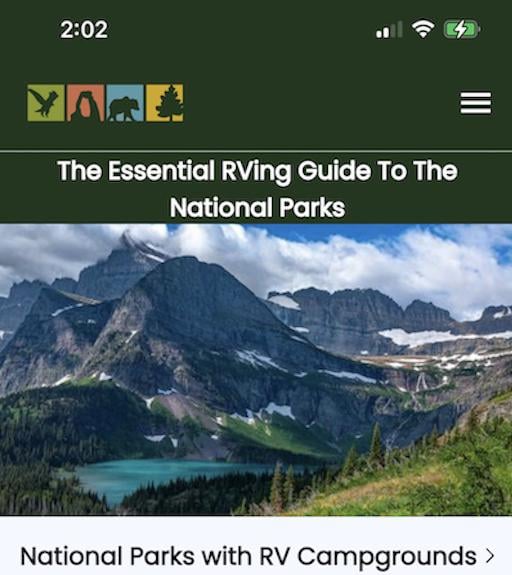
The National Parks RVing Guide, aka the Essential RVing Guide To The National Parks, is the definitive guide for RVers seeking information on campgrounds in the National Park System where they can park their rigs. It's available for free for both iPhones and Android models.
This app is packed with RVing specific details on more than 250 campgrounds in more than 70 parks.
You'll also find stories about RVing in the parks, some tips if you've just recently turned into an RVer, and some planning suggestions. A bonus that wasn't in the previous eBook or PDF versions of this guide are feeds of Traveler content: you'll find our latest stories as well as our most recent podcasts just a click away.
So whether you have an iPhone or an Android, download this app and start exploring the campgrounds in the National Park System where you can park your rig.

Comments