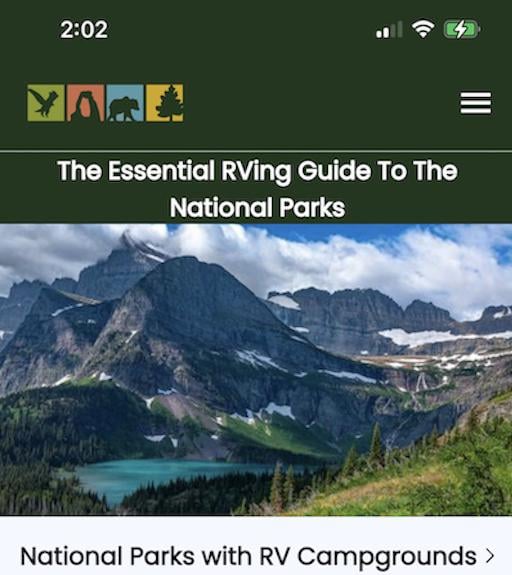
Known as the Backbone of the World to the Blackfeet Nation, the rugged landscape of Glacier attracted the attention of the Great Northern Railway in the early 1890s. Though the railroad was simply seeking a route to the West Coast, its president saw in the rugged, alp-like landscape the potential for tourism.
It was the search by the railroad's engineers for a low pass through the mountains that opened Glacier's landscape up and led to its national park status. In the early 1890s, after John Stevens and a Flathead Indian guide known as Coonsah located the pass for the Great Northern Railway, the railroad laid its tracks across Marias Pass on the southern flanks of today's national park.
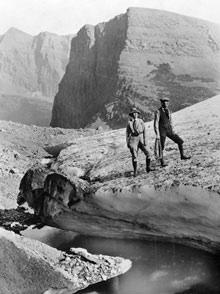
George Bird Grinnell with his wife.
NPS photo
Within a handful of years, not only did a small rail depot known as Belton near present-day West Glacier catch the attention of tourists, but the landscape that drew them also led influential leaders like George Bird Grinnell (left, with his wife) to push for the creation of a national park in Montana.
Fifteen years later, Grinnell and others saw their efforts rewarded when President Taft signed the requisite legislation on May 11, 1910, that established Glacier as the country's 10th national park.
While the efforts to gain a "Glacier National Park" were ongoing, so were efforts by the Great Northern Railway to make the landscape more accommodating to tourists. At the direction of Louis Hill, the railroad's president, work began on a series of lodges and Swiss-styled chalets across the park. Today those efforts can be seen in the Glacier Park Lodge at East Glacier, the Many Glacier Hotel, and the Sperry and Granite Park chalets in the backcountry.
Another milestone in the park's evolution, one that today arguably is the prime draw for most visitors, is the Going-to-the-Sun Road that stretches 50 miles between West Glacier to St. Mary, climbing up and over the Continental Divide at Logan Pass along the way.
It wasn't always clear that the "Sun Road," as it's popularly known, would run from West Glacier up to and over Logan Pass, then down to St. Mary on the eastern side of the park. Early on there were debates over the best routing of a cross-park road, with some wanting it to run in a southwesterly to northeasterly path from Apgar to Many Glacier, others wanting it to run all the way to Waterton Lake in British Columbia, and others still arguing for it to go by Gunsight Pass. In the end the U.S. Bureau of Public Roads decided the current route made the most sense.
In 2010 the park celebrated its centennial, a year-long affair that saw a record 2.2 million visitors.